Nerve Pain & Neuropathy Treatment
in Lawrenceville
A conservative, non-surgical approach to nerve symptoms that may be related to spinal compression
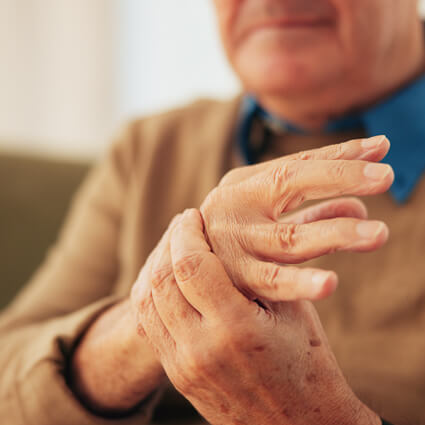
Nerve pain and neuropathy symptoms can feel burning, tingling, numb, sharp, or electric in nature. For some people, symptoms are mild at first. For others, they become persistent and begin to interfere with walking, balance, sleep, or daily activities.
Neuropathy is often used as a broad term to describe nerve-related symptoms, especially in the arms, hands, legs, or feet. While neuropathy can have multiple contributing factors, some nerve symptoms are influenced—or worsened—by compression of nerves as they exit the spine.
What Is Nerve Pain or Neuropathy?
Nerve pain occurs when nerves are irritated, compressed, or not functioning properly. Symptoms often differ from muscle or joint pain and may include numbness, tingling, weakness, or pain that travels along a specific path.
Neuropathy is a term commonly used to describe nerve dysfunction and can involve many possible causes. In some cases, neuropathy symptoms overlap with conditions such as sciatica or other forms of spinal nerve compression. Understanding why nerve symptoms are occurring is essential before deciding on the most appropriate course of care.
Possible Causes of Nerve Pain & Neuropathy Symptoms
How Nerve Pain & Neuropathy Are Evaluated
- Evaluation begins with listening.
- Where symptoms are occurring
- How symptoms feel (burning, tingling, numbness, weakness)
- When symptoms began and how they have progressed
- What improves or worsens symptoms
- How symptoms affect balance, sleep, and mobility
- A thorough clinical exam is performed to assess spinal function and nerve involvement. When appropriate, imaging such as X-rays or MRI findings may be reviewed to determine whether spinal compression is contributing to symptoms.
- From there, we determine whether spinal decompression—or another conservative approach—may be appropriate for your situation.
When Spinal Decompression May Help
- Spinal decompression is not appropriate for every type of nerve pain or neuropathy.
- Reducing pressure on affected spinal nerve roots
- Improving space around compressed spinal structures
- Supporting nerve function when compression is a contributing factor
A Conservative Path Forward
Many patients seek care because nerve pain or neuropathy symptoms have begun to affect independence, confidence, or quality of life.
Care at Canning Chiropractic and Laser Pain Solutions is thoughtful and individualized. Recommendations are based on clinical findings and realistic expectations—not a one-size-fits-all protocol.
Find Out What’s Contributing to Your Nerve Symptoms
If nerve pain or neuropathy symptoms are limiting your ability to move comfortably or live the way you want, a focused evaluation can help determine whether spinal decompression or another conservative approach is right for you.
