Spinal Stenosis Treatment in Lawrenceville
A conservative, non-surgical approach to nerve compression and spinal narrowing.
Spinal stenosis is a condition that occurs when the spaces within the spine narrow, placing pressure on the spinal cord or nerves. This pressure can lead to pain, numbness, weakness, or difficultynwalking—often affecting the arms or legs depending on where the narrowing occurs.
For many people, symptoms develop gradually and worsen over time. Activities like standing, walking, or even maintaining balance may become increasingly difficult.
What Is Spinal Stenosis?
Spinal stenosis refers to narrowing within the spinal canal or nerve openings. This narrowing can place stress on nerves and lead to symptoms such as:
- Pain in the back, neck, arms, or legs
- Numbness or tingling
- Weakness or heaviness in the limbs
- Difficulty standing or walking for extended periods
Stenosis may be associated with age-related changes, disc degeneration, injury, or other structural factors. Understanding the source of the narrowing is key to determining the most appropriate course of care.
How Spinal Stenosis Is Evaluated
Relieving stenosis-related symptoms begins with understanding what’s happening within the spine.
- Where symptoms are occurring
- When they began
- What activities worsen or relieve discomfort
- How symptoms are affecting mobility and daily life
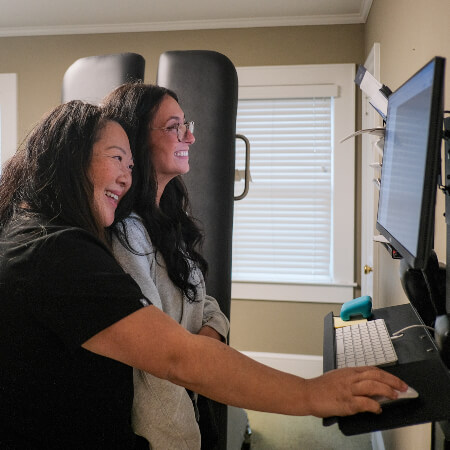
A thorough clinical exam is performed to assess spinal function, nerve involvement, and areas of compression. When appropriate, imaging such as X-rays or MRI findings may be reviewed to better understand the degree and location of spinal narrowing.
From there, we determine whether spinal decompression—or another conservative approach—may be appropriate for your condition.
When Spinal Decompression May Help
Not all cases of spinal stenosis respond the same way, and spinal decompression is not appropriate for every patient.
- Reducing pressure on compressed nerve structures
- Decreasing mechanical stress within the spine
- Supporting improved movement and function
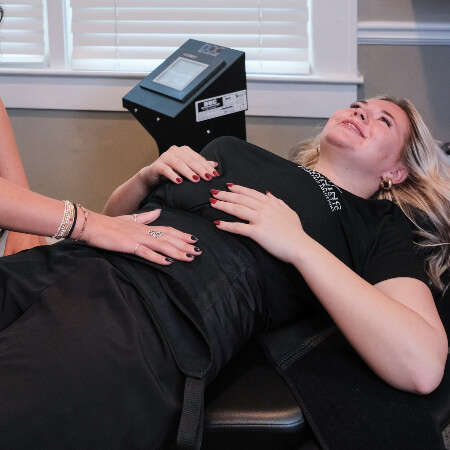
Spinal decompression is considered carefully and only when clinical findings suggest it may be beneficial. If decompression is not the right option, we’ll explain why.
A Conservative Option Before Invasive Care
Many patients explore decompression because they want clear answers before injections or surgery are pursued. At Canning Spinal Decompression Center, care is thoughtful and individualized. Recommendations are based on examination findings and realistic expectations—not a one-size-fits-all protocol. The goal is to help patients move forward with clarity, confidence, and a plan that prioritizes long-term function and quality of life.
A Plan Built Around Your Needs
- The location and severity of spinal narrowing
- Your symptoms and functional limitations
- Your personal goals and lifestyle
Every plan is designed to be intentional, conservative, and clearly explained.
Find Out What’s Contributing to Your Symptoms
If spinal stenosis symptoms are limiting your ability to walk, stand, or stay active, a focused evaluation may help determine whether spinal decompression or another conservative approach is right for you.
